DWI Charges in Texas 2026: Round Rock Defenses and Penalties
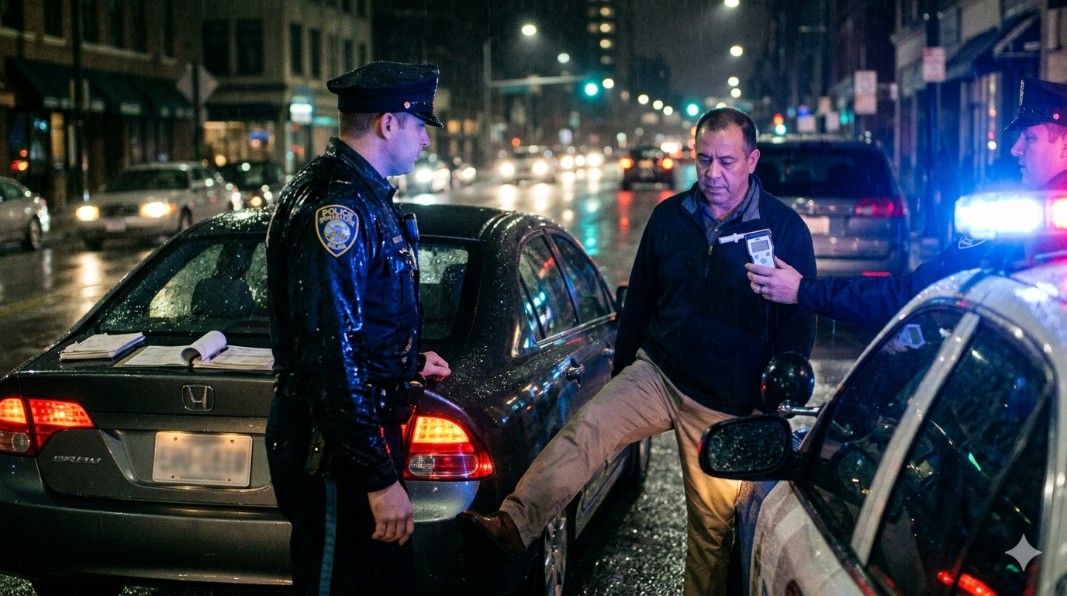
Imagine you’re driving home from dinner in Round Rock after two glasses of wine. You feel fine, but you see blue lights in your rearview mirror. Within minutes, you’re asked to perform field sobriety tests on the side of I-35. Whether you blow a 0.079 or refuse testing entirely, you’re facing DWI charges that trigger two separate legal battles—one criminal, one civil—and strict deadlines that start counting down immediately. This guide explains exactly what Texas DWI law looks like in 2026, including new legislative changes that took effect September 1, 2025, where your case will actually be heard in Williamson County, and the specific steps you must take in the first two weeks to protect your driver’s license.
What Constitutes DWI Charges in Texas?
Under Texas Penal Code Chapter 49, the state defines “intoxicated” in two distinct ways. First, you are legally intoxicated if you have lost the normal use of your mental or physical faculties because of alcohol, drugs, or any other substance. Second, you are intoxicated if your blood alcohol concentration (BAC) registers at 0.08 or higher. Prosecutors only need to prove one of these prongs to secure a conviction under Section 49.04, which criminalizes operating a motor vehicle in a public place while intoxicated.
Many drivers mistakenly believe that beating a DWI charge requires registering below 0.08. This is not true. Officers can establish intoxication through field observations, standardized field sobriety testing, and dashcam footage showing slurred speech or balance issues. If the officer testifies that you couldn’t walk a straight line or follow simple instructions, the prosecution can proceed without any breath or blood test results. The “public place” element includes highways, parking lots, and even some private roads accessible to the public, so location rarely provides a complete defense.
A significant change arrived with the 89th Legislature’s passage of SB 826, effective September 1, 2025. This enhancement creates new felony exposure for driving while intoxicated in school crossing zones during reduced-speed periods. If you’re convicted of DWI within these specific zones, you now face state jail felony consequences rather than misdemeanor penalties, fundamentally altering the stakes for early morning or afternoon driving near schools.
The SB 826 School Crossing Zone Enhancement
SB 826, which became effective September 1, 2025, elevates DWI committed in a school crossing zone (during times when reduced speed limits are in effect) to a state jail felony. This means that even a first-time offense in these specific geographic and temporal zones carries felony consequences, including potential confinement in a state jail facility. This correction addresses widespread online misinformation about unenacted bills like SB 2320, which never became law despite rumors of broad penalty increases. For 2026, SB 826 represents the primary substantive legislative change affecting DWI penalty structures.
Intoxication Without Chemical Test Results
Prosecutors regularly secure convictions without chemical evidence by relying on officer testimony regarding field sobriety tests and behavioral observations. If you submit to a breath test showing 0.07, the case doesn’t automatically disappear. The officer can testify about odor of alcohol, bloodshot eyes, and unsteady balance. Courts allow this evidence because the statutory definition includes impaired faculties, not just numerical BAC results. This reality surprises many defendants who assumed numerical results below 0.08 provided complete protection.
The Two-Track System: Criminal Prosecution and Administrative License Actions
When you face DWI charges in Texas, you’re actually navigating two independent proceedings that move on parallel tracks. The criminal track involves potential misdemeanor or felony prosecution through the county court system, while the civil track involves the Administrative License Revocation (ALR) process governed by the Texas Transportation Code. These proceedings do not influence each other—you can win your ALR hearing and still face criminal conviction, or beat the criminal charges while losing your license administratively.
The ALR process is handled by the State Office of Administrative Hearings (SOAH), where administrative law judges preside over contested cases. These hearings determine whether the Department of Public Safety (DPS) can suspend your driving privileges based on either test failure (BAC at or above 0.08) or refusal to provide a specimen. The criminal case, by contrast, is prosecuted by the county or district attorney in the appropriate trial court. A dismissal in criminal court does not automatically restore your license, and winning your ALR hearing does not stop the criminal prosecution. You must actively defend both tracks simultaneously, often requiring different strategic approaches for each forum.
Understanding this separation matters because many defendants focus exclusively on the criminal charges while ignoring the ALR deadlines. They assume that if they “beat the case,” their driving privileges will automatically return. In reality, the ALR suspension can remain in effect for months even after a criminal dismissal or acquittal, leaving you unable to drive legally unless you separately addressed the administrative process within the required timeframes.
Penalty Tiers for First Offense, High BAC, and Enhanced DWI
A standard first offense DWI under Section 49.04 begins as a Class B misdemeanor, carrying a minimum confinement term of 72 hours. However, aggravating circumstances immediately escalate potential consequences. If the jury finds you had an open container of alcohol in your immediate possession during the offense, the charge remains a Class B misdemeanor but the minimum confinement jumps to six days. Conversely, if chemical analysis reveals a BAC of 0.15 or higher at the time of testing, the charge elevates to a Class A misdemeanor, regardless of whether it’s your first offense.
Certain scenarios trigger automatic felony classifications. Driving while intoxicated with a passenger under 15 years old constitutes a state jail felony under Section 49.045. Similarly, the newly enacted SB 826 makes DWI in a school crossing zone during reduced-speed hours a state jail felony. Repeat offenses drive penalties higher under Section 49.09—one prior qualifying intoxication-related conviction elevates a subsequent DWI to a Class A misdemeanor, while multiple prior contacts can trigger third-degree felony charges carrying prison time.
Despite internet rumors about massive 2026 penalty changes, SB 2320—which proposed broader enhancements—never made it out of committee and did not become law. The baseline penalties for 2026 remain consistent with previous years, with SB 826 representing the only major statutory change affecting offense levels for Round Rock drivers.
Repeat Offense and Prior Conviction Consequences
Under Section 49.09, a single prior conviction for DWI, intoxication assault, or certain other intoxication-related offenses automatically upgrades your new charge to a Class A misdemeanor. Two or more prior convictions can elevate the charge to a third-degree felony, punishable by 2 to 10 years in prison. These enhancements apply regardless of how much time has passed since the prior convictions, making even decades-old offenses relevant to current sentencing ranges.
Open Container and High-BAC Minimums
The distinction between open container possession and high-BAC results creates different consequence structures. Open container findings trigger the six-day minimum confinement under Class B parameters, while BAC levels of 0.15 or higher reclassify the entire offense to Class A status with enhanced punishment ranges. These aggravating factors apply even to first-time offenders, meaning your first DWI can result in significant jail exposure if specific factual circumstances exist.
ALR Deadlines, Hearings, and Ignition Interlock Requirements
The Administrative License Revocation process operates on merciless deadlines. You have exactly 15 days after receiving notice of suspension or denial to request an ALR hearing. If you miss this window, your suspension automatically takes effect on the 40th day after notice, regardless of whether you’ve hired an attorney or contested the criminal charges. Requesting a hearing stays the suspension until SOAH issues a final decision, potentially keeping you legally on the road for months while the case is adjudicated.
Suspension lengths vary based on your actions during the stop. A first-time refusal results in a 180-day suspension, while a first-time test failure (BAC at or above 0.08) triggers a 90-day suspension. Prior enforcement contacts can extend these periods to one or two years. These suspensions are administrative, not criminal, meaning they appear on your driving record independently of criminal conviction status.
If you face suspension, you may petition for an occupational driver’s license (ODL) through the appropriate Justice of the Peace, county, or district court. Under Texas DPS guidelines, obtaining an ODL typically requires installing an ignition interlock device on any vehicle you operate, along with SR-22 insurance certification. An experienced ignition interlock attorney TX can navigate the specific Williamson County court requirements for these petitions, ensuring your paperwork reaches the correct venue with proper supporting affidavits regarding your essential driving needs.
Refusal vs. Test Failure Consequences
Refusing to provide a breath or blood specimen triggers longer administrative suspensions (180 days versus 90 days for first offenses) and allows prosecutors to argue “consciousness of guilt” at trial. However, refusal deprives the state of concrete BAC evidence, potentially complicating their criminal case. Test failure provides the state with numerical evidence but results in shorter administrative suspension periods. Both scenarios require immediate attention to the 15-day hearing request deadline.
The $125 Reinstatement Fee Requirement
Before DPS will renew or reissue your license following an ALR action, you must pay a mandatory $125 reinstatement fee. This fee is separate from any court costs, fines, or ignition interlock installation expenses. Many drivers mistakenly believe their obligations end when the suspension period concludes, but DPS will not restore driving privileges until this specific administrative fee is satisfied along with any other compliance requirements.
Court Jurisdiction and Case Routing in Round Rock
If you were arrested in Round Rock, your case will not be handled by the Round Rock Municipal Court. That court’s jurisdiction is limited to Class C misdemeanors—fine-only offenses like traffic tickets and public intoxication. Because DWI charges carry potential jail time, they exceed municipal court authority. Instead, Class A and B misdemeanor DWI cases are filed in the Williamson County Courts at Law, which handle all jailable misdemeanor criminal matters in the county.
This distinction matters for your defense strategy. The Williamson County Courts at Law follow specific local procedures for discovery, docket settings, and plea negotiations that differ from municipal court practices. Additionally, your ALR hearing will be conducted by SOAH administrative law judges, not the municipal court, further separating theadministrative process from local criminal proceedings. Understanding this routing helps you avoid wasting time appearing at the wrong courthouse or filing documents with clerks who lack jurisdiction over your criminal case.
The practical reality is that while you might be arrested by Round Rock Police Department officers and booked at the local jail, your criminal defense journey moves to the Williamson County Justice Center in Georgetown for all substantive proceedings. This jurisdictional transfer is automatic based on offense classification and cannot be changed by requesting municipal court handling.
Evidence, Defenses, and Trial Considerations
Effective DWI defense requires attacking evidence at multiple stages. Your attorney should examine whether the initial traffic stop was supported by reasonable suspicion and whether the officer developed probable cause for arrest through field sobriety testing. Breath and blood testing reliability can be challenged through administrative certification records, maintenance logs, and chain-of-custody documentation. These technical defenses often provide the strongest path to dismissal or reduction.
Importantly, your refusal to provide a specimen is admissible as evidence at trial under Texas Transportation Code Chapter 724. The prosecutor can argue that your refusal demonstrates consciousness of innocence, though this evidentiary rule cuts both ways—juries sometimes view refusals as evidence of guilt, while other times they question why police couldn’t obtain a warrant for a blood draw if they truly had probable cause.
Immediately after arrest, verify the dates on your “notice of suspension” and “hearing rights” documents. These papers contain the service date that starts the 15-day ALR clock. Errors in these documents or delayed service might provide procedural defenses. Also note that Deferred Adjudication is available for certain first-time DWI charges in Texas. Under the law, eligible first-time offenders (typically those with a BAC under 0.15 and no Commercial Driver’s License) can receive deferred adjudication, allowing them to potentially avoid a final criminal conviction, though the arrest and probation terms will remain on their record unless legally sealed.
Selecting a DWI Lawyer for Criminal Defense in Williamson County
Choosing local counsel familiar with both tracks of DWI prosecution provides strategic advantages. You need a DWI lawyer who understands the difference between SOAH administrative procedures and Williamson County criminal court practices. The ideal criminal defense attorney in Williamson County maintains relationships with local prosecutors, understands the specific ALR hearing request protocols for DPS, and has experience petitioning Williamson County courts for occupational driver’s licenses with ignition interlock requirements.
Your attorney should distinguish between enacted law (like SB 826’s school zone enhancement) and unenacted proposals (like SB 2320) when advising you on realistic penalty exposure. They should also verify compliance with strict DPS administrative timelines, ensuring your ALR request is filed within the 15-day window and that your ODL petition includes proper venue selection and supporting affidavits. Experience with ignition interlock device requirements matters because judges in Williamson County have specific preferences regarding monitoring and reporting protocols for restricted license holders.
Local knowledge of Round Rock arrest procedures versus Georgetown court procedures helps navigate the practical logistics of your defense, from obtaining police video to coordinating character witnesses for court appearances. This jurisdictional expertise prevents procedural missteps that could cost you driving privileges or create unnecessary delays in resolving your criminal case.
Immediate Steps After a DWI Arrest in Round Rock
If you were arrested last night, today matters. First, locate your “notice of suspension” or “notice of denial” paperwork and verify the service date written by the officer. Count forward 15 days—that is your hard deadline to request an ALR hearing. Missing this date by even one day results in automatic suspension regardless of your criminal defense. Preserve all paperwork, including any proof of service receipts, and store them where your attorney can access them immediately.
Do not discuss case details with anyone except your lawyer. Statements to friends, family, or social media can become evidence against you. Understand that your criminal case and license case require simultaneous but separate attention—you cannot focus on one while ignoring the other. The criminal case moves slowly through Williamson County court dockets, but the ALR process moves fast.
Remember that SB 826‘s school crossing zone enhancement took effect September 1, 2025, meaning 2026 prosecutions in Round Rock school zones carry felony exposure. Seek current legal guidance specific to these new statutory realities rather than relying on general internet information that may not account for recent legislative changes. Your driving privileges and criminal record depend on prompt, informed action within the first two weeks after arrest.