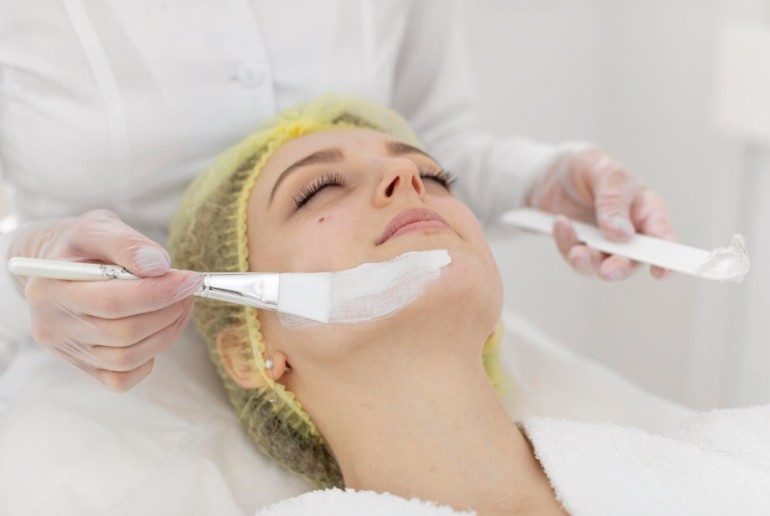
First Cosmetic Treatment: Essential Guide for USA Patients
You stand in front of the mirror wondering if those lines really appeared overnight, or if a little volume loss is making you look more tired than you feel. You are not alone. According to 2023 data released in 2024, over 5.3 million patients chose hyaluronic acid fillers alone, and millions more explored neuromodulators like Botox. But popularity does not equal simplicity. Whether you are considering softening forehead lines or restoring cheek volume, your first cosmetic treatment requires understanding regulatory realities, credential verification, and genuine risks that marketing glosses over. This guide walks you through every step—from distinguishing medical procedures from spa services to building a safety-first checklist—so you can make an informed decision with confidence.
Understanding the Landscape: Cosmetic Treatments vs. Surgery
When you hear “cosmetic treatment,” you might picture a relaxing afternoon at a spa. However, the FDA classifies dermal fillers as medical device implants, not casual beauty services. These products are approved to create a smoother or fuller appearance in specific facial areas and the back of the hands, and they carry regulatory requirements that separate them from topical creams or massages.
So what counts as a “cosmetic treatment” versus “cosmetic surgery”? Generally, cosmetic treatments include minimally invasive procedures like injectables and energy-based devices, while cosmetic surgery involves operative techniques requiring incisions and anesthesia. The regulatory frameworks differ significantly. For instance, the FDA has approved dermal fillers for use only in adults aged 22 and older for specific indications.
Three distinct categories dominate the market: botulinum toxin injections (neuromodulators), hyaluronic acid (HA) fillers, and microneedling devices. Each falls under different FDA oversight. Botulinum toxin is regulated as a drug/biologic, while fillers are medical devices, and microneedling devices may be Class II medical devices cleared via the 510(k) process. The American Academy of Dermatology (AAD) explicitly warns against receiving these aesthetic treatments in non-medical settings such as salons, parties, or homes, emphasizing that injecting filler is a medical procedure requiring proper clinical oversight.
FDA Regulatory Basics: Approved, Cleared, and Regulated Aesthetic Devices
Understanding FDA terminology helps you evaluate marketing claims. When the FDA “approves” a drug or biologic like botulinum toxin, it means the agency has reviewed clinical data for safety and efficacy for specific uses. However, many aesthetic devices are “FDA-cleared,” not approved. FDA-cleared devices, such as radiofrequency microneedling systems, enter the market through the 510(k) pathway, which demonstrates substantial equivalence to a legally marketed predicate device. “FDA-cleared” does not mean “FDA-approved,” though both designations indicate regulatory oversight.
You should know which cosmetic uses are not FDA-approved. The agency specifically warns against using any injectable filler for body contouring, including breast or buttock enhancement. These unapproved applications carry significant risk profiles that differ from facial treatments. Additionally, needle-free devices for filler injection are not FDA-approved, and their safety and effectiveness remain unknown. Marketing claims suggesting these devices are safer than traditional needles or cannulas are unsubstantiated.
Recent safety communications highlight evolving risks. In November 2023, the FDA issued a safety communication regarding RF microneedling, noting serious complications reported with certain uses of these devices. When researching safe cosmetic procedures, always verify whether a device is FDA-cleared or FDA-approved for your specific intended use, and ask your provider about their experience with the particular device and indication.
Credential Verification: Choosing a Safe Cosmetic Clinic in the USA
Selecting a provider for your first cosmetic treatment requires more than checking online reviews. You need verifiable credentials. For board certification verification, use the ABMS Verify Certification tool to confirm whether a physician holds certification from an American Board of Medical Specialties member board. This certification indicates the physician has completed specialized training and maintains current knowledge through continuing certification activities.
For licensure and disciplinary history, consult the Federation of State Medical Boards (FSMB) DocInfo service or your specific state medical board profile. These records include licensure status and any disciplinary actions, providing crucial transparency beyond marketing materials.
When seeking an expert for delicate facial procedures, consider consulting an specialist like Oculofacial Surgeon Dr. Amjad Z. Ahmad, who brings specific training in the intricate anatomy around the eyes—a detail that matters when considering periorbital treatments.
Both board-certified plastic surgeons and board-certified dermatologists may offer injectables, but their training paths differ. Plastic surgeons complete residency training in plastic and reconstructive surgery, while dermatologists complete dermatology residency with extensive skin and aesthetic training. For complex facial anatomy, some patients specifically seek oculofacial surgeons who specialize in the eyelid and orbital region.
Facility safety matters as much as clinician qualifications. Look for accreditation through programs like the Joint Commission Office-Based Surgery program, which applies ambulatory care standards to office-based settings. These standards ensure emergency readiness protocols and appropriate safety equipment. Remember the AAD warning: avoid treatments in non-medical settings like salons or homes, regardless of convenience or price.
State License Verification vs. Board Certification
Maintaining a state medical license represents the minimum legal requirement to practice medicine, while board certification reflects voluntary specialty expertise beyond that baseline. A physician must hold a valid state license to practice legally, but board certification demonstrates additional competency in a specific field. To verify both, use FSMB DocInfo for state licensure and disciplinary history, and ABMS Verify Certification for specialty board status. These are separate checks that together provide a comprehensive credential picture.
Facility Accreditation Standards
Office-based surgery accreditation represents a customized subset of ambulatory care standards designed specifically for surgical procedures performed in physician offices. These standards ensure the facility maintains emergency equipment, proper anesthesia monitoring capabilities, and established protocols for transferring patients to hospitals if complications arise. Accreditation affects safety by mandating regular compliance surveys and specific physical plant requirements that unaccredited facilities may lack.
Your First Consultation: Questions, Preparation, and Red Flags
Walking into your consultation prepared transforms the appointment from a sales pitch into a medical evaluation. Bring a complete medical history, including current medications and supplements, as these affect bleeding risk and treatment safety. Bring photos showing your appearance from different angles and lighting conditions—they help communicate goals more effectively than verbal descriptions alone.
Ask specific questions: How many years have you performed this specific procedure? Do you have hospital privileges to perform this procedure, and if so, at which hospitals? What are your qualifications for administering anesthesia or managing emergencies? Can you show me before-and-after photos of your actual patients with similar facial structure? What is your protocol if complications occur?
Informed consent must include discussion of off-label use if applicable. Off-label use means employing an FDA-approved product in a way not specifically listed in its labeling. While legal and sometimes appropriate, you deserve transparency about whether your treatment plan includes such applications.
Red flags should send you walking. These include pressure tactics to book immediately, inability or unwillingness to verify credentials through ABMS or FSMB, offers of unapproved procedures like body contouring injections with fillers, or treatment rooms that look more like salons than medical offices. A legitimate provider welcomes your questions about training and safety protocols.
Understanding Real Risks: Counterfeit Products and Vascular Complications
Understanding cosmetic treatment risks requires looking beyond typical bruising and swelling to systemic dangers. In 2024, the CDC investigated harmful reactions to counterfeit botulinum toxin products, reporting 19 cases across 9 states. Nine patients required hospitalization, and four needed botulism antitoxin—a serious intervention indicating life-threatening complications. The FDA has issued warning letters to companies illegally marketing unapproved botulinum toxin products and alerts regarding counterfeit Botox found in multiple states.
To reduce counterfeit risk, verify that products come from authorized distributors, ask to see packaging and lot numbers, and ensure treatments occur in legitimate medical offices rather than non-healthcare settings. The most serious filler-specific risk involves unintentional intravascular injection—when filler enters a blood vessel rather than surrounding tissue. This can cause necrosis (tissue death), vision abnormalities including blindness, or stroke. These complications may be permanent despite being rare. Additionally, permanent fillers present removal challenges if complications develop, potentially requiring surgery or other interventions that may be difficult or impossible to complete successfully.
The Counterfeit Botox Investigation Findings
The CDC’s 2024 investigation revealed that harmful reactions stemmed from counterfeit products administered in non-healthcare settings by unlicensed or untrained individuals. These cases were not isolated manufacturing defects but rather systemic failures of supply chain integrity and professional oversight. The findings emphasize that authorized sourcing through legitimate medical channels remains your primary defense against counterfeit injectables, as these products may be contaminated, improperly stored, or contain incorrect dosages.
Vascular Occlusion and Permanent Vision Risks
Intravascular injection occurs when filler material accidentally enters a blood vessel rather than the intended tissue plane. This occlusion blocks blood flow, potentially causing tissue necrosis in the immediate area. If the filler travels through the vascular system to the eye, it can cause central retinal artery occlusion, resulting in permanent blindness. In rare cases, filler material can reach cerebral circulation causing stroke. While statistically uncommon, the permanence of these complications makes injector expertise and anatomical knowledge paramount for cosmetic procedure preparation.
Cost Transparency: Budgeting for Your Cosmetic Procedure
The American Society of Plastic Surgeons (ASPS) reports fee data using projected ranges rather than fixed prices, reflecting the variability in geography, provider experience, and procedure complexity. When budgeting for your cosmetic procedure, look beyond the quoted fee to understand the total financial picture.
Hidden costs may include facility fees for accredited surgical centers, anesthesia charges if sedation is required, follow-up appointments for assessment or touch-ups, potential revision treatments if initial results require adjustment, and critically, costs associated with treating complications. With 5.3 million patients choosing HA fillers in 2023 alone, these procedures are clearly mainstream, but popularity should not drive you to prioritize cost over safety verification. The cheapest provider rarely offers the safety margins, emergency protocols, and product authenticity that justify the investment in your appearance and health.
Preparing for Treatment Day: Medical Screening and Contraindications
Proper cosmetic procedure preparation begins with honest medical disclosure. You must inform your provider of any neuromuscular disorders such as ALS or myasthenia gravis, as these affect botulinum toxin safety. Disclose pregnancy or breastfeeding status, as most injectables lack safety data for these populations. Provide a complete medication list, particularly blood thinners or supplements that increase bleeding risk.
The FDA requires a boxed warning on botulinum toxin products regarding the potential for effects to spread from the injection site, causing swallowing or breathing difficulties that can be life-threatening. Symptoms may appear hours to weeks after injection, making it crucial to understand warning signs before leaving the clinic.
To minimize bruising, avoid alcohol, aspirin, ibuprofen, and certain supplements like fish oil for several days prior to treatment unless medically contraindicated. Arrive with a clean face free of makeup. Your provider should review absolute contraindications specific to your chosen treatment based on FDA labeling and current clinical guidelines.
The Treatment Experience: What to Expect at Your First Injectable Appointment
Your first injectable appointment typically begins with a final assessment and photographic documentation. For those beginning their first Botox treatment, understanding the workflow helps reduce anxiety. The provider will cleanse the area and may apply a topical anesthetic depending on the treatment type. Botulinum toxin injections involve multiple small injections using a fine needle, generally described as a brief pinch or sting lasting seconds.
According to the Mayo Clinic, botulinum toxin results typically begin appearing one to three days after treatment, though full effects require patience. Normal short-term side effects include localized bruising, swelling, and mild tenderness resolving within days. Warning signs requiring immediate contact include severe pain, vision changes, drooping eyelids affecting vision, or difficulty breathing.
Botulinum Toxin Results Timeline
The pharmacological onset for neuromodulators follows a predictable pattern. Early effects typically emerge within 24 to 72 hours as the toxin begins blocking nerve signals to targeted muscles. However, full neuromuscular blockade—and consequently the complete aesthetic result—develops gradually over 7 to 14 days. This delayed response explains why providers schedule follow-up appointments at two weeks to assess final results and administer any necessary touch-ups.
Immediate Post-Injection Protocols
Standard aftercare protocols maximize results while minimizing side effects. Avoid rubbing or massaging treated areas for at least four hours to prevent product migration. Skip strenuous exercise for 24 hours to reduce bruising risk and prevent increased blood flow from affecting product placement. Minimize sun exposure and extreme heat (saunas, hot tubs) for several days. Sleep with your head elevated the first night if treated in the facial region to reduce swelling.
Aftercare and Adverse Event Reporting: When to Seek Help
Distinguishing normal recovery from serious complications guides your post-treatment safety. Expected symptoms include mild swelling, redness, and tenderness at injection sites, typically resolving within a week. However, seek immediate emergency care for signs of vascular occlusion: severe or worsening pain, skin turning white or mottled, vision changes, or sudden weakness. For botulinum toxin, difficulty breathing, swallowing, or speaking requires emergency intervention.
Contact your treating provider first for concerns like asymmetry, unexpected lumps, or mild asymmetry, but do not delay emergency care for serious symptoms. You play a role in systemic safety by reporting adverse events. The FDA’s MedWatch program accepts reports from consumers using Form 3500B, while healthcare providers use Form 3500. Reporting helps identify patterns with specific products or providers, contributing to public health surveillance even when you receive appropriate individual care.
Taking the Next Step: Your Safe Cosmetic Treatment Checklist
Before booking any aesthetic treatment, complete this verification checklist. Confirm clinician credentials through both ABMS board certification lookup and FSMB state license verification. Verify facility accreditation through recognized bodies like the Joint Commission. Prepare for your consultation by compiling medical history, medication lists, and goal photos. Request transparent cost breakdowns including potential hidden fees and complication management costs. Insist on authentic product verification and refuse treatments in non-medical settings.
Choose providers based on safety-first criteria: verifiable training, accredited facilities, emergency protocols, and willingness to discuss risks openly rather than convenience or price alone. When you are ready to proceed, schedule consultations with two to three verified providers to compare approaches. The right provider will welcome your thoroughness and demonstrate the expertise necessary for your first cosmetic treatment to be both safe and satisfying.
You now possess the framework to navigate aesthetic medicine safely. Remember three essentials: verify credentials independently through ABMS and FSMB, insist on accredited medical facilities with emergency protocols, and prioritize authentic products from authorized sources over bargain pricing. Your face and health deserve the diligence you have just invested in reading this guide. Take your checklist, verify your chosen provider, and proceed with confidence knowing you have built a foundation for safe aesthetic care.