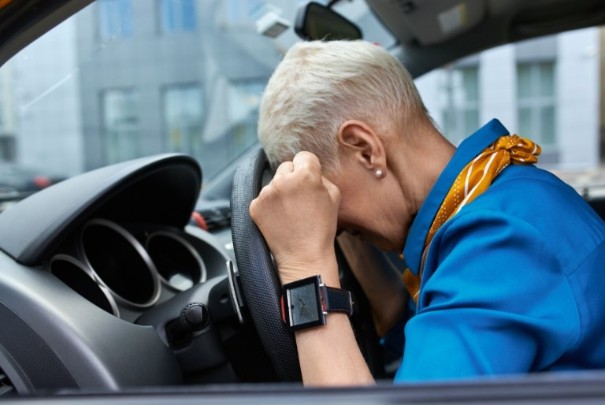
Delayed Concussion Symptoms After a Car Accident in South Carolina: A Guide for Victims
You walked away from the crash feeling shaken but relieved. No blood, no broken bones—just a stiff neck and the adrenaline slowly fading. Then, three days later, the headaches began. Suddenly, you’re struggling to concentrate at work, and bright grocery store lights feel unbearable. If this sounds familiar, you’re not imagining things, and you’re certainly not alone. Delayed brain injury symptoms are well-documented in medical literature, yet they catch countless accident survivors off guard. This guide walks you through exactly what to watch for, when these symptoms typically surface, and how to protect both your health and your legal rights after a car accident head injury.
What Is a Concussion? Defining Mild TBI and Head Trauma After a Car Crash
A concussion is medically defined as a temporary loss of normal brain function resulting from mechanical force or trauma, according to the American Association of Neurological Surgeons (AANS). In clinical terms, it represents a type of traumatic brain injury (TBI) that alters how your brain cells communicate and function. The Veterans Health Library defines a mild TBI—commonly called a concussion—as a sudden jolt to the head or body that causes the brain to move rapidly within the skull, temporarily changing how the brain works.
Many people mistakenly assume a concussion requires striking your head against a hard surface. However, the AANS explicitly clarifies that concussions can result from direct head trauma or from rapid acceleration-deceleration forces, such as the violent whiplash motion common in rear-end collisions. When your vehicle stops suddenly, your brain continues moving inside your skull, potentially causing microscopic structural damage and chemical changes without any external bruising or laceration.
Can you have a concussion without losing consciousness? Absolutely. The AANS emphasizes that many concussion patients never experience blackout or loss of consciousness. You might feel dazed, confused, or “foggy” for several minutes, but you remain awake and alert. This misconception leads many accident victims to dismiss early warning signs of head trauma after car crash incidents, assuming they’re “fine” because they never lost consciousness or because their airbags deployed without impact.
Understanding these signs is crucial for your recovery. You can learn more about specific manifestations and early warning indicators in our detailed resource on Car accident concussion symptoms. Whether your injury stems from a direct blow to the forehead or the shearing forces of rapid deceleration, the physiological effects are identical. Symptoms of mild traumatic brain injury can include headaches, dizziness, nausea, and cognitive fog that surface hours or even days after the initial trauma, requiring careful monitoring regardless of how “minor” the collision initially appeared.
When Do Concussion Symptoms Appear? The Timeline of Delayed Brain Injury Symptoms
The timing of concussion symptom onset varies significantly between individuals and even between accidents involving the same person. According to the Centers for Disease Control and Prevention (CDC), some concussion symptoms appear immediately after the injury occurs, while others may not emerge for hours or days following the traumatic event. The Mayo Clinic extends this observation window further, noting that while some symptoms appear immediately, others can arise days or even weeks later, complicating both diagnosis and treatment.
This delayed presentation is not a medical anomaly; it is well-documented and particularly common after vehicle accidents. The immediate shock and adrenaline surge following a collision often mask pain and neurological disruption. As your body’s stress response subsides and inflammation develops in the brain tissue, symptoms that were imperceptible initially begin announcing themselves loudly.
The Veterans Health Library provides a useful framework for distinguishing between early and later symptoms. Early indicators typically include headache, dizziness, memory problems, and nausea or vomiting. Later symptoms—those appearing days after the collision—may involve frequent persistent headaches, concentration difficulties, pronounced fatigue, irritability, and heightened sensitivity to light or noise. MedlinePlus, a service of the National Institutes of Health, confirms this pattern, stating that concussion symptoms may not start right away and can begin days or weeks after the injury occurs.
So, when do concussion symptoms appear after a car accident? They might surface immediately at the scene, within the first 24 hours, or stealthily emerge as delayed brain injury symptoms that complicate your recovery timeline and daily functioning. Can concussion symptoms show up days or weeks later? Yes, and recognizing this potential window is essential for seeking timely medical care and for understanding that new symptoms emerging a week post-crash are still potentially related to your original injury.
Recognizing Delayed Concussion Symptoms: The Four Categories of Mild TBI
The CDC organizes mild traumatic brain injury symptoms into four distinct categories: physical symptoms; thinking and remembering difficulties; social and emotional changes; and sleep disturbances. This framework helps you identify the full spectrum of delayed concussion symptoms you should monitor in the days and weeks following your accident.
Physical manifestations often dominate early conversations about head injuries because they are the most tangible. However, cognitive disruptions can prove equally debilitating in professional and personal contexts. You might struggle to find words during conversations, forget important appointments, or feel overwhelmed by tasks that once seemed automatic. Emotional volatility—sudden irritability, anxiety, or depression—represents another category that surprises many survivors who expect only physical discomfort. Sleep disturbances round out the clinical picture, whether you’re battling insomnia, sleeping far more than usual, or experiencing disrupted sleep cycles that leave you exhausted despite adequate time in bed.
According to the Mayo Clinic, these symptoms vary significantly by individual. One person might experience predominantly physical complaints while another faces primarily cognitive challenges. Understanding what symptoms are considered cognitive versus physical after a head injury helps you communicate effectively with healthcare providers and ensures nothing gets dismissed as “just stress from the accident” or unrelated aging.
Physical and Sensory Symptoms
Physical complaints typically include persistent headache, nausea or vomiting, dizziness, and balance problems that make walking or standing feel unsteady. You might notice blurred vision, ringing in the ears (tinnitus), or heightened sensitivity to light and sound (photophobia and phonophobia). These sensory disruptions can make driving, working on computers, or even relaxing in your home feel impossible in the immediate aftermath of a crash.
Cognitive, Emotional, and Sleep Disturbances
Cognitive symptoms involve memory gaps, concentration problems, and confusion about time or place. You might ask the same question repeatedly or lose track of conversations mid-sentence. Emotional changes include unexpected mood swings, heightened anxiety in familiar situations, and symptoms of depression that seem disconnected from your usual mental health. Sleep pattern disruptions—whether difficulty falling asleep, staying asleep, or sleeping excessively—complete this category and often exacerbate other physical and cognitive symptoms.
Post-Concussion Syndrome Symptoms: When Head Trauma Effects Last Longer Than Three Months
For most people, concussion symptoms resolve within days or weeks with proper rest and management. However, approximately 10-20% of individuals develop persistent post-concussive symptoms, commonly called post-concussion syndrome. According to the Mayo Clinic, this condition is diagnosed when concussion symptoms, which typically emerge within the first 7 to 10 days after the injury, persist for longer than the expected recovery period—often defined as lasting more than three months.
The symptom clusters for post-concussion syndrome are comprehensive and can significantly impact your quality of life. They include persistent daily headaches, dizziness, and profound fatigue that rest doesn’t resolve. Many sufferers report ongoing irritability, anxiety, depression, and sleep problems that strain family relationships. Cognitive difficulties remain prominent—you might face poor concentration, memory challenges, and slowed thinking that affect your job performance and independence. Additionally, physical sensitivities like ringing ears, blurry vision, light and noise sensitivity, nausea, vomiting, and associated neck pain frequently persist beyond the standard recovery window.
How long do mild TBI symptoms usually last? While the CDC indicates most people recover within days or weeks, post-concussion syndrome can extend for a year or more according to Mayo Clinic research. What happens if concussion symptoms persist for months? You are not failing to heal “correctly” or imagining your symptoms. You are experiencing a recognized medical condition that requires continued management, potential medication adjustments, and possibly specialized neurological care or cognitive rehabilitation therapy.
Concussion vs. Severe TBI: Understanding the Range of Car Accident Head Injuries
Not all traumatic brain injuries are equal in severity or prognosis. A concussion represents a mild traumatic brain injury, while moderate and severe TBIs involve more extensive tissue damage, prolonged unconsciousness lasting minutes to hours, or significant structural injury to the brain such as bleeding or contusion. The distinction matters profoundly for treatment protocols, rehabilitation needs, and long-term disability considerations.
Diagnosing a concussion after a crash typically begins with comprehensive physical and neurological examinations. According to MedlinePlus, healthcare providers may order CT scans or MRI imaging primarily to check for bleeding, inflammation, or skull fracture that would indicate more severe injury. However, it is crucial to understand that normal imaging results do not rule out a concussion. Mild TBIs often involve microscopic axonal damage and chemical changes that standard CT or MRI scans cannot detect, meaning your diagnosis relies heavily on clinical symptom reporting and cognitive testing.
You might wonder, “Do I need a CT scan or MRI for a concussion?” The answer depends on your specific symptoms, age, and risk factors. Emergency physicians often order imaging immediately after high-impact collisions to rule out life-threatening conditions like epidural or subdural hematomas. How is a concussion diagnosed after a crash? While severe TBI might show obvious structural damage on scans, concussion diagnosis relies on your reported symptoms, neurological testing, and cognitive assessments, with imaging serving primarily to exclude more serious conditions rather than to confirm the concussion itself.
Danger Signs After Head Trauma: When to Seek Emergency Medical Care
While delayed symptoms are common and often manageable with outpatient care, certain warning signs demand immediate emergency intervention. The CDC lists specific danger signs that require you to call 911 or visit an emergency room without delay, as they indicate potential life-threatening complications.
These critical red flags include a worsening headache that intensifies rather than improves, repeated vomiting, and slurred speech or difficulty forming coherent sentences. You should also seek immediate care for seizures, unequal pupil sizes in your eyes, increased confusion or agitation, or an inability to wake up or stay awake. These symptoms indicate potential serious complications such as brain bleeding, skull fractures, or dangerous swelling that require emergency surgical intervention or intensive monitoring, not routine follow-up appointments.
Do not wait to see if these symptoms resolve on their own or assume you can “sleep it off.” Unlike mild delayed symptoms that warrant prompt but non-emergency evaluation, these danger signs represent medical emergencies after head trauma after car crash incidents. Immediate transportation to a hospital can be the difference between recovery and permanent disability or death.
Recovery Expectations and Activity Management After Mild TBI
Recovery from a concussion follows an individual timeline, but general clinical patterns exist that can guide your expectations. The CDC notes that with proper care and activity management, most people can return to work, school, and normal activities within a few days or weeks. However, returning too quickly—whether to physical exercise, demanding work tasks, or even extensive screen time—often triggers severe symptom flare-ups.
Why do concussion symptoms get worse after returning to normal activities? Physical and cognitive exertion tax the brain’s metabolic resources. When your brain is healing, activities that previously seemed effortless—reading emails, attending meetings, or jogging—can overwhelm your reduced neurological capacity. This phenomenon, sometimes called post-exertional symptom exacerbation, causes headaches, dizziness, nausea, and cognitive fog to resurface or intensify, effectively resetting your recovery progress.
What should you do if symptoms appear days after your accident? Begin tracking them immediately in a dedicated symptom diary. Note the time of day, specific activities you were performing, and symptom severity on a scale of 1-10. Follow a gradual return-to-activity protocol: start with light mental tasks for limited periods, increase duration and intensity slowly over days, and stop immediately if symptoms worsen. Consistent follow-up medical visits ensure your recovery stays on track, while avoiding alcohol, getting adequate sleep, and managing stress support neurological healing.
Documentation and Legal Considerations for Brain Injury Personal Injury Claims
Medical documentation serves as the undeniable foundation of any brain injury personal injury claim. After a crash, create a comprehensive symptom diary recording daily headaches, memory lapses, sleep changes, and functional limitations like inability to drive or cook. Retain records of all emergency room visits, primary care appointments, diagnostic tests, and prescribed treatments. These documents establish the critical causal link between the collision and your injuries—a legal concept called causation—while helping quantify your economic and non-economic damages.
Delayed symptom onset significantly complicates claims timing and settlement negotiations. Insurance adjusters frequently argue that symptoms arising days after the crash stem from unrelated causes, pre-existing conditions, or subsequent events unrelated to the accident. Consistent, contemporaneous medical records counter these assertions by showing a documented progression from the collision date forward, with physicians noting the delayed emergence pattern typical of mild TBI.
What medical records matter most for a TBI claim? Emergency room reports, follow-up visit notes, imaging results (even normal ones), prescription records for headache or sleep medications, and employment records showing missed work or reduced performance. How do I document symptoms for my doctor? Be specific: instead of “I feel bad,” record “Thursday, 2 PM: throbbing headache behind eyes, lasted 3 hours, prevented computer work.” For experienced guidance navigating South Carolina’s specific legal requirements for brain injury claims, consider reaching out to a local personal injury firm like Elliott Frazier Law to discuss how thorough documentation can strengthen your case.
In South Carolina, the statute of limitations for filing a personal injury lawsuit is generally three years from the date of the accident under S.C. Code § 15-3-530. However, this deadline can have exceptions, making it crucial to consult with a qualified attorney licensed in South Carolina. This article provides general information and does not constitute legal advice for your specific case. Generally, you must document symptoms thoroughly and seek counsel before discussing settlement offers with insurance representatives, as early statements can inadvertently damage your claim.
Conclusion
Delayed concussion symptoms are real, common after vehicle collisions, and medically validated by leading health authorities. Remember these three essentials: symptoms can appear days or weeks after impact rather than immediately, thorough documentation protects both your health management and legal rights, and specific danger signs require immediate emergency care. Whether you’re dealing with mild cognitive fog or worrying about persistent post-concussion syndrome affecting your employment, early medical intervention and careful activity management offer the best path forward. Don’t dismiss subtle changes in your thinking, mood, or physical wellbeing as “just stress.” Taking prompt action today safeguards your neurological recovery and your ability to secure fair compensation for injuries that manifest on their own timeline.